What Separates Quality HVAC Repairs From Quick Fixes
When an HVAC system stops heating or cooling properly, getting the problem resolved quickly is naturally a priority. However, speed alone does not determine whether a repair is successful. A quick fix may temporarily restore operation while leaving an underlying issue unresolved, potentially leading to another breakdown or additional expenses.
Quality repairs focus on finding the actual cause of the problem and correcting it appropriately. Professional technicians consider the condition of the equipment, the symptoms being reported, and the factors that may have contributed to the failure. This approach helps homeowners receive a repair designed for dependable performance rather than a temporary solution.
Assess the Entire System
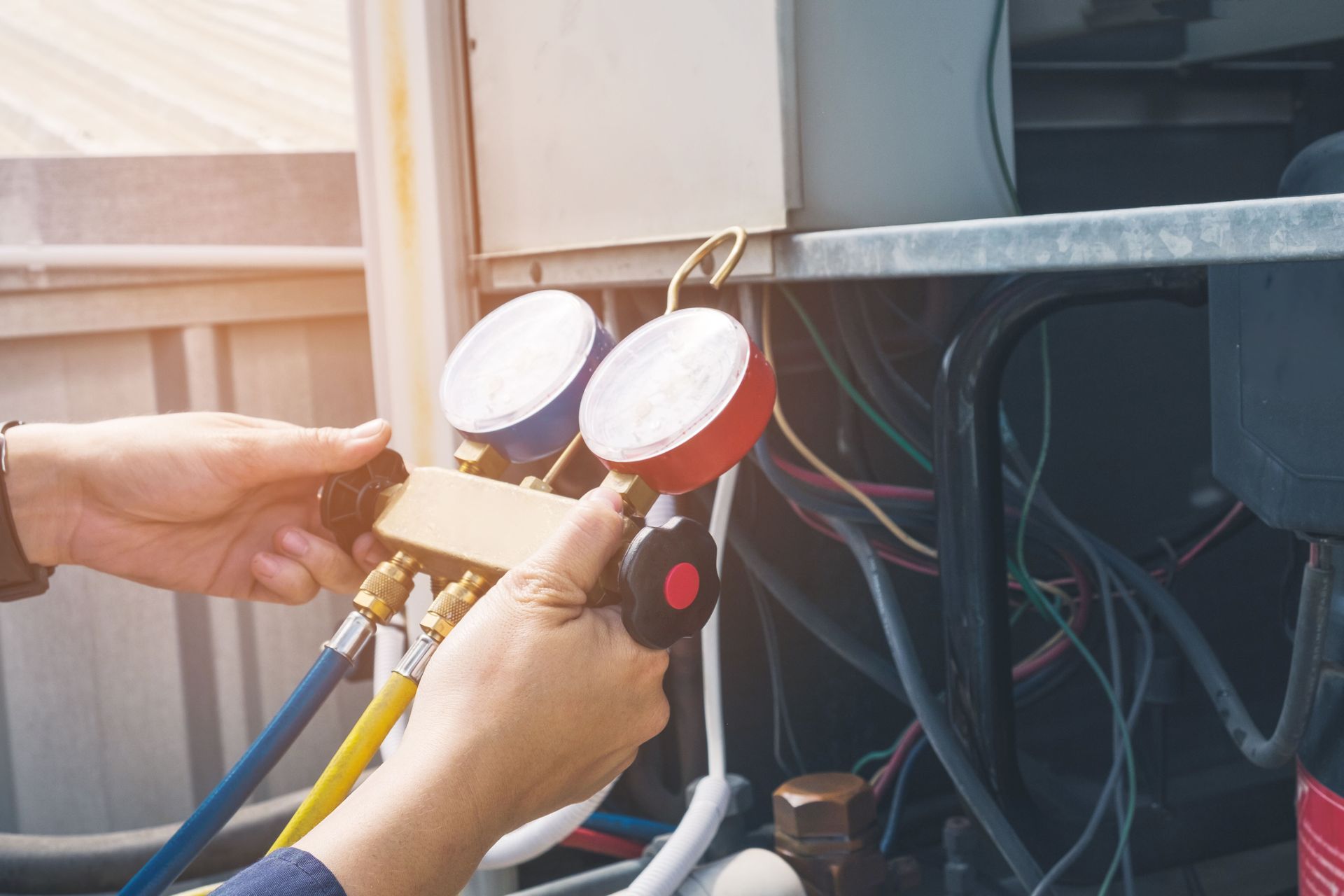
A quality repair begins with looking beyond the immediate symptom. For example, an HVAC system that is not producing enough cool air could have an airflow restriction, electrical problem, refrigerant issue, or failing component. Simply replacing the first part that appears suspicious may not address the reason the problem developed.
A thorough assessment gives a technician an opportunity to examine the system as a whole. This can include inspecting accessible components, checking operating conditions, and looking for signs of wear or damage. Local HVAC repairs are more effective when the technician understands how the different parts of the system interact.
A detailed evaluation can also uncover developing problems that may not yet have caused a complete failure. Identifying those concerns during a service visit can give the homeowner an opportunity to address them before they interfere with comfort or cause a more disruptive breakdown.
Identify the Root Cause
Finding the root cause separates a lasting repair from a temporary patch. An HVAC system can display the same symptom for completely different reasons, which means the visible problem does not always point directly to the failed component.
A knowledgeable technician should investigate why the component failed instead of immediately replacing it. If an electrical part repeatedly burns out, for example, replacing that part without investigating the electrical conditions could leave the same issue waiting to happen again.
This diagnostic mindset is an important part of local HVAC repairs because it helps ensure that the work addresses the source of the malfunction. Proper troubleshooting can also reduce unnecessary part replacements and help homeowners better understand what happened to their equipment.
Clear communication matters during this process as well. A technician should be able to explain what was found, what caused the issue, and why the recommended repair addresses the problem. Homeowners should not have to guess what work is being performed on their system.
Evaluate Repair Options
Not every HVAC problem has only one possible solution. Depending on the equipment's condition, a technician may be able to repair a component, replace a worn part, make an adjustment, or recommend a larger solution. The appropriate choice depends on the specific condition of the system.
According to HomeGuide, replacing an HVAC system can become a reasonable consideration when the equipment is more than 10 years old and repair expenses are above 30% of the cost of a new system. This provides useful context, but the decision should also consider the system's condition, performance, efficiency, and expected remaining service life.
Quality local HVAC repairs involve discussing these options rather than automatically choosing the fastest or least expensive immediate fix. A homeowner should understand what each option accomplishes and what limitations may come with it.
This conversation can be particularly useful when an older system experiences a significant failure. Repairing the existing equipment may still be appropriate in some circumstances, while replacement could make more sense in others. A professional evaluation provides the information needed to consider both paths.
Prioritize Proper Installation
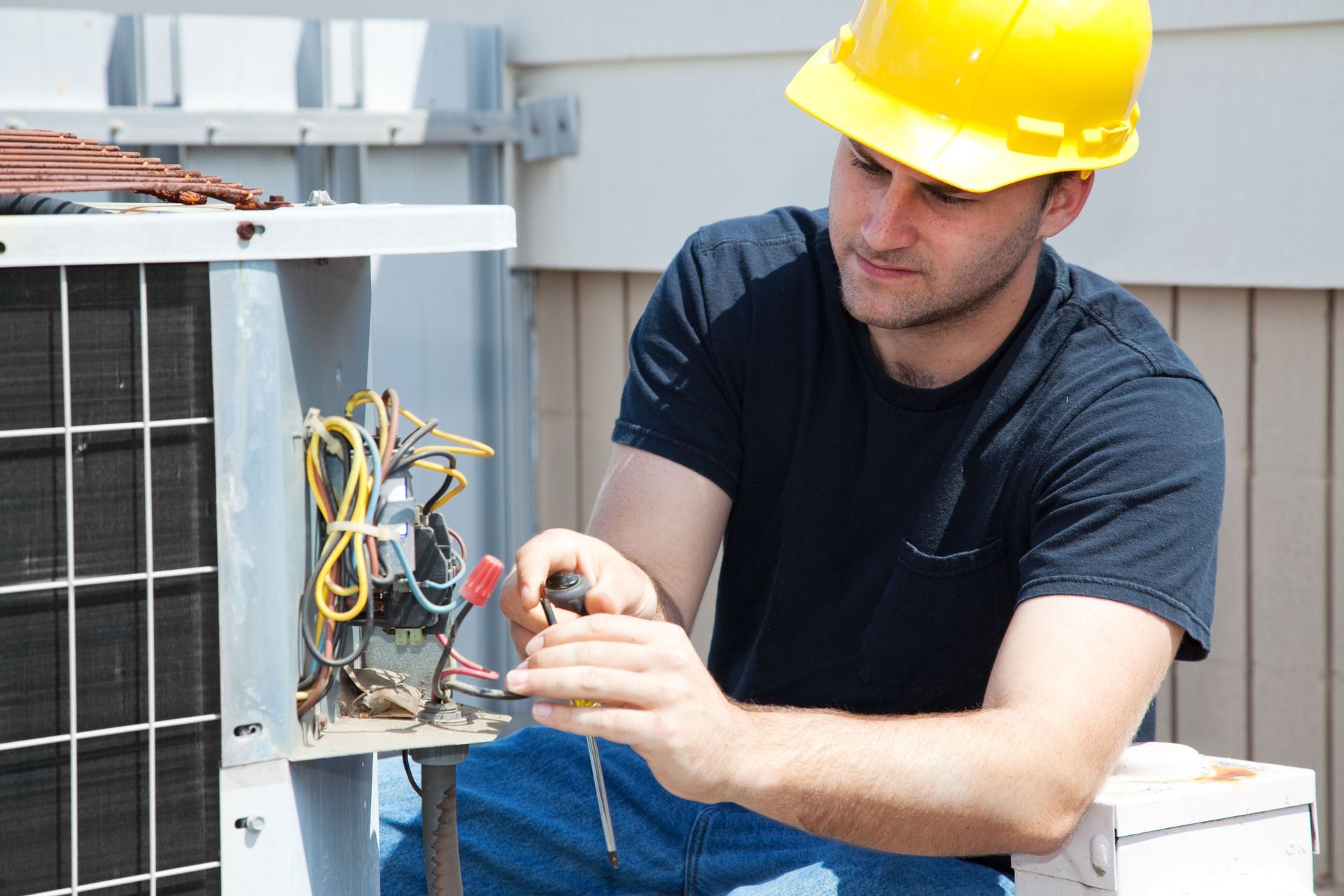
Even a high-quality replacement component will not provide the intended result if it is installed incorrectly. HVAC systems depend on properly connected electrical components, secure mechanical connections, appropriate airflow, and correct operating conditions. Poor workmanship can undermine an otherwise sound repair.
Professional technicians should follow appropriate procedures for the equipment being serviced. They should also verify that the repaired system is operating as expected before considering the job complete. Simply getting the unit to turn back on does not necessarily mean the original problem has been fully resolved.
Local HVAC repairs should leave the system functioning reliably rather than merely operational for the moment. Testing after the repair can help identify lingering problems and confirm that the affected components are working together correctly.
Attention to detail can also protect other parts of the system. An unresolved issue can place additional strain on connected components, potentially creating more problems over time. Completing the repair correctly helps reduce that possibility and supports more dependable system operation.
Compare Quality and Cost
Price naturally matters when arranging HVAC service, but the lowest immediate cost does not always represent the best value. A cheap repair that fails shortly afterward can ultimately cost more than a properly diagnosed and completed repair.
Homeowners can evaluate value by considering what the service includes. A professional repair should involve appropriate troubleshooting, a clear explanation of the problem, suitable replacement parts when necessary, and verification that the system is functioning correctly.
Local HVAC repairs should also be evaluated based on the condition and age of the equipment. Spending money on repeated repairs without considering the broader condition of an aging system may not provide the long-term value a homeowner expects.
That does not mean every older system needs to be replaced. Instead, homeowners can ask questions about the expected outcome of the repair and whether additional problems are likely based on the equipment's current condition. Having that information makes it easier to weigh the immediate repair against longer-term considerations.
Know When Repairs are Not Enough
A quality HVAC professional should be willing to explain when repairing a system may no longer be the most practical approach. Repeated failures, extensive component deterioration, poor overall performance, and escalating repair needs can all affect whether continued repairs make sense.
The goal should not be to sell a replacement simply because the system has developed a problem. Instead, the technician should evaluate the equipment and explain the available choices based on its actual condition. Honest guidance allows homeowners to consider repair and replacement without relying on guesswork.
Local HVAC repairs can restore comfort effectively when the existing equipment remains in suitable condition. When the system has reached a point where repairs are becoming increasingly difficult to justify, however, understanding that distinction can help prevent continued spending on short-term solutions.
Ultimately, quality HVAC service comes down to more than getting a system running again. It involves careful diagnosis, appropriate recommendations, skilled installation, thorough testing, and honest communication. A professional repair should address the reason for the failure while considering the condition of the entire system.
When HVAC problems arise, homeowners should look for service that emphasizes lasting solutions rather than temporary patches. Choosing experienced professionals for local HVAC repairs can provide greater clarity about the problem and help ensure the work is completed with the care the equipment requires.
Do not settle for a quick patch when your comfort depends on dependable heating and cooling. Contact Southern Indiana Electrical & HVAC today for professional HVAC service focused on finding the problem, fixing it correctly, and getting your system back to reliable operation. We look forward to hearing from you!
Share On: